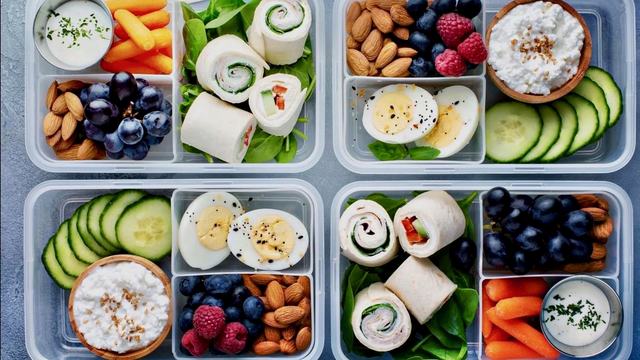
Football fans everywhere are excited that football season has begun. Nothing compares to watching your favorite team play up close and personal on the field; however, for most fans, we see the action from the comforts of our home. Unfortunately, the snacks we prepare at home often rival those sold in the stadium, including foods high in sodium, fats, sugars, and calories.
Let’s define “snacks”. A snack is typically food eaten between meals. Most people eat at least one snack a day. Usually, people snack when they feel a little hungry a few hours after a meal. Snacking is also common when energy levels feel low. It’s even more common to snack because we simply enjoy “treating” ourselves to our favorite foods.
Unhealthy snacking impacts health in many ways. Some of the immediate impacts that you may feel after eating an unhealthy snack may be a rise in blood pressure or sugar levels. Consuming snacks that are salty or processed can cause temporary retention of fluid as well as cardiovascular shifts. A high-sugar snack can stimulate the sympathetic nervous system, which triggers a mild increase in heart rate or shifts in blood flow. Snacks with high-sugar content may also produce “reactive hypoglycemia”, meaning sometimes an over-secretion of insulin may occur. This reaction pushes the blood sugar too low after an hour or two, triggering an adrenaline response that makes the heart race which can feel similar to a spikes. Consuming snacks that contain caffeine, such as chocolate or caffeinated beverages, can induce heart palpitations or a tense sensation along with feeling flush.
Some of the long-term effects of consistently eating unhealthy snacks include: heart disease and high blood pressure, obesity, diabetes, poor dental health, and brain health risks. Fried foods, salty snacks, and foods high in trans fats raise bad cholesterol (LDL). These foods also increase blood triglycerides and sodium levels. Over time, these factors increase the risk of high blood pressure, heart attacks, and strokes. Because unhealthy snacks are high in calories, unhealthy fats, added sugars, and low in fiber, they do not provide a feeling of “fullness”, so often we tend to overeat snack foods, which over time can lead to weight gain and obesity. According to the American Heart Association, obesity is linked to 30% to 53 % of new diabetes cases a year in the United States. Unhealthy snack foods also keep the sugar and acid levels in our mouth high. This feeds bacteria that erode the enamel and promotes the occurrence of cavities. As research evolves, we are learning from large-scale public health studies that diets high in ultra-processed foods have been linked to higher rates of vascular brain injury and cognitive decline.
Here are some tips for snacking healthier during game time and throughout the year:
- Drink fruit-infused water. Make ahead of time and serve ice cold for a delicious treat. Also, try adding seltzer water to regular soda. The measurement should be 50/50. This will give you the bubbles but less of the sugar and calories. It’s a great option for folks who don’t care for the taste of diet soda. Another tip is to drink one glass of water for every beer that you drink. This will help you to drink less beer.
- Avoid pre-packaged salty and sugary snacks. Try some homemade options, such as hummus and a variety of crisp raw vegetables, or low fat cheese with grapes and whole wheat crackers.
- Try making sauces and dips out of vegetables
- During commercial breaks, take time to get up and move. Try some jumping jacks or squats. Even some stretching exercises while sitting, such as neck and arm rotations, can be great for the body.
For more information about health and wellness, contact Cheri Bennett at 910-997-8255. The Richmond County Cooperative Extension Office helps provide research-based education and technology to the producers and citizens of this great county. The office is located at 123 Caroline Street in Rockingham and can be reached at 910-997-8255 or richmond.ces.ncsu.edu for more information.