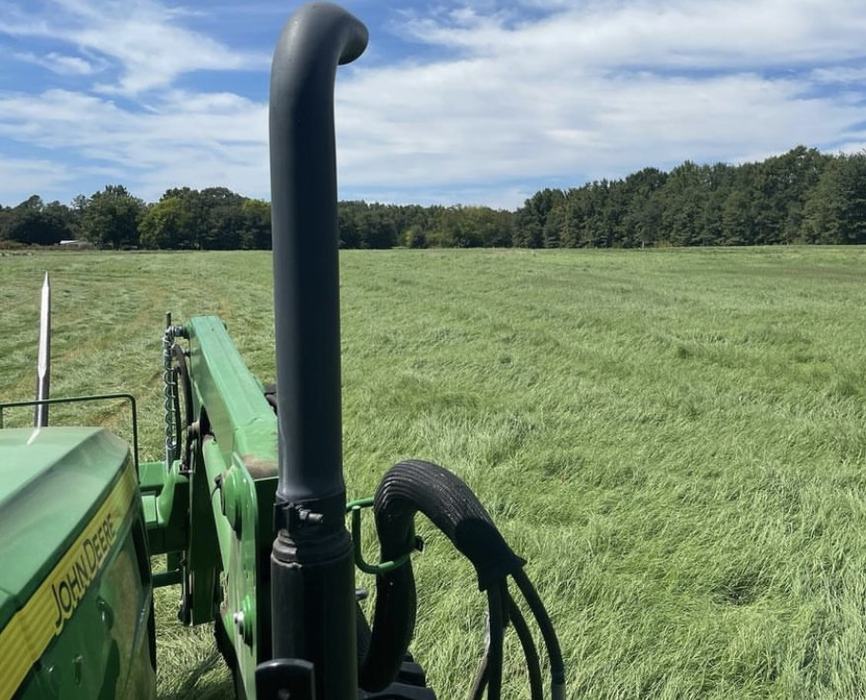
Over the last six months, nearly all of our state has been in some form of drought. Stream flow and pond levels across the region are at historic lows and scarce rainfall has also thwarted the growth of pastures and hayfields that grazing livestock heavily rely on for nutrition. Recent rains have somewhat helped our situation but as we say in the Sandhills, “We’re always a week away from a drought”. Luckily there is some more rain in the forecast and we can only hope that regular showers will bring relief to our pastures and crops.
Culling
When producers ask about what to do about their low pasture productivity, the best solution is to try to avoid overgrazing pastures and one solution to avoid overgrazing is adjusting stocking rate by culling underperforming animals. I understand that producers may not like the idea of reducing herd numbers but current market prices, specifically for cattle, have given producers a great opportunity to “clean up or fine tune” their herd while getting a justifiable price for the culls at the stockyard. Cows that have bad confirmation, poor feet and teats, or are open (not bred) can be marketed at a decent price.
Don’t Forget Pasture Management
Even when consistent moisture returns to our area, there will still be lingering effects on our forages, even bermudagrass which is a highly drought tolerant species. I expect to see increased weed competition, and slower forage growth, especially in those pastures that have been overgrazed and look like putting green. When dealing with drought situations, it is critical that producers focus on the management practices that encourage plant growth that will speed up recovery (proper fertilization). The only caveat is that the success of our management practices is going to be dependent on available moisture…
Proper Grazing Height
Ultimately, the key to successful pasture recovery following a drought is patience. This means don’t turn animals out on pasture before the grass has had time to truly recover. Many livestock owners have pulled animals from their pastures and have been feeding hay since last October. Although this is an expensive option, it is the best practice in terms of allowing our pastures to rest and recover. With bermudagrass, producers should hold off on grazing until the stand has reached at least 6 inches in height and in our current situation, 8 inches would be better. More importantly, be sure to rotate to a new pasture once the grass is grazed down to 3 inches. We need to “leave enough leaves” for our grasses to continue photosynthesis, and produce sugars that are needed for re-growth.
How do we know rest is important? Right now, our bermudagrass hayfields are in much better shape than our pastures. Yes, they are behind on the growth curve but I have seen minimal stand loss in hay fields. This is due to the fact that hayfields are managed to have longer re-growth periods between cuttings (5-7 weeks of rest) and during drought conditions, this lowers the impacts that lead to stand loss.
Stocking up on Hay
Livestock producers who don’t raise their own hay should consider stocking up on hay while there is a supply. Obviously, hay is going to be in short supply (hay producers are reporting that yields are roughly 60 percent of their average first cutting of hay) so when given the opportunity, livestock owners should plan to purchase hay as soon as possible instead of waiting until the fall. We should also consider the fact that feeding hay during drought periods in the summer will eat into hay inventories which will further shorten our supply. Additionally, when bermudagrass hay harvest is delayed due to drought conditions, the grass becomes more mature and less digestible to our livestock. This means that hay may need to be tested and supplemented with an additional feed source this winter.
Producers should be proactive and make good agronomic decisions such as keeping soil fertility in check, and practicing rotational grazing to help in the recovery of their pastures. If drought conditions do not improve this summer, livestock owners should consider overseeding pastures in winter annuals to help combat hay shortages.
If you have any questions about pasture management, hay testing or livestock management please contact your local Extension office.