Glass Gem (Corn Seed)
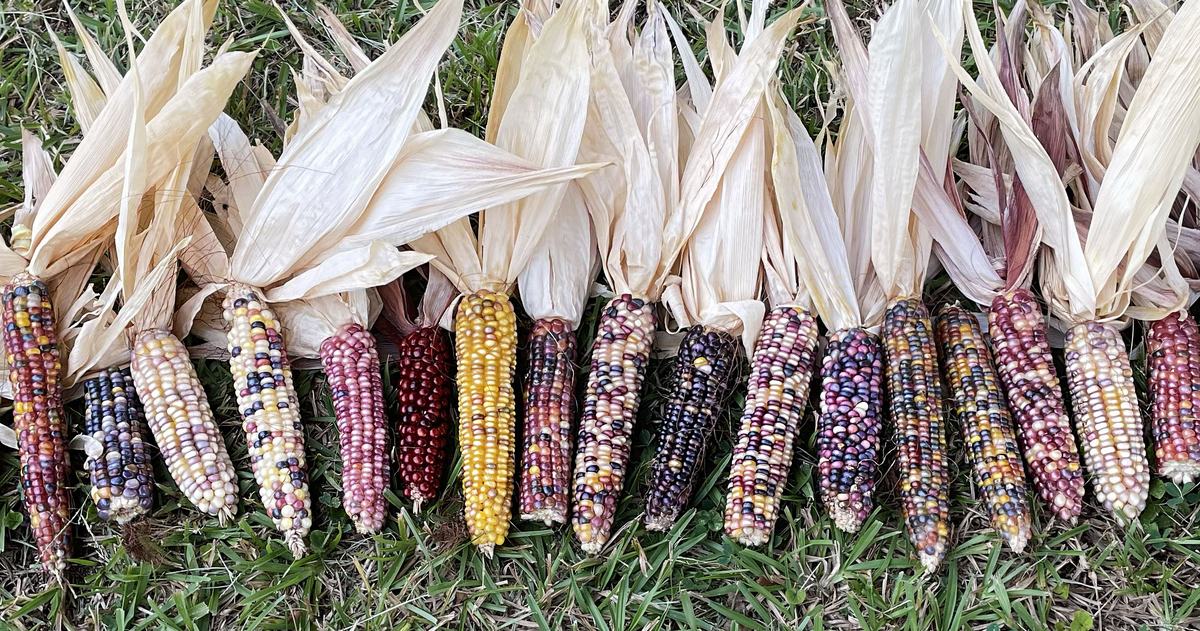
Description: This beautiful flint or popcorn type corn comes in an endless rainbow of colors. Hence the name, the translucent kernels shine like glass. While it is used for decoration, it can also be popped or ground into meal. Carl Barnes bred this variety from a number of Native varieties. Bred by the late Carl Barnes, an Oklahoma Cherokee who dedicated his career to reclaiming and preserving seed of traditional Native American corns.
Scientific Name: Zea mays
Hybrid Status: Open Pollinated
Days to maturity: 105-110
Planting: Plant early to ensure maturity of kernels for a good, dry ripeness. Sow ¾–1" deep, 6–7" apart, rows 30–36" apart. Increase this rate for untreated seeds. Arrange in blocks of at least 4 rows for proper pollination, which is needed for well-filled ears. Plant after the average last frost (Richmond County average last frost- April 3).
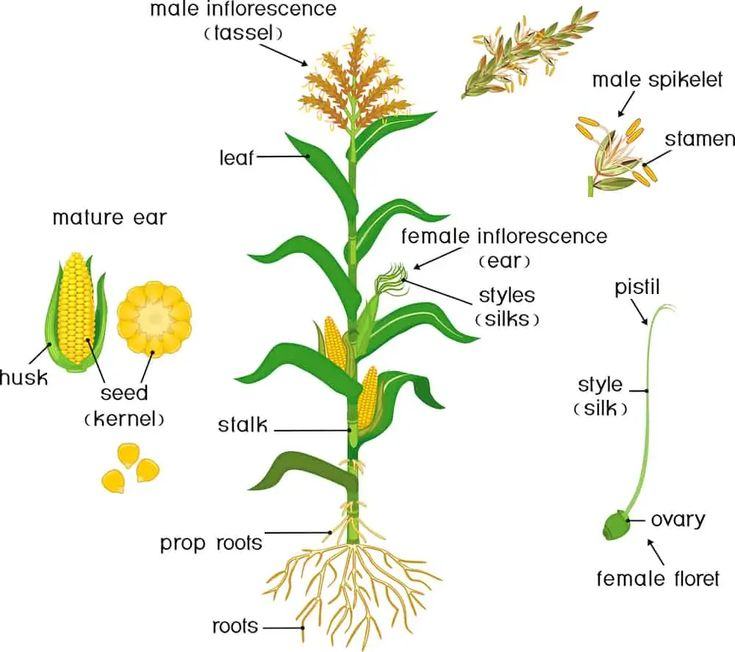
Corn is wind pollinated. To get complete kernel set, pollen from the tassel has to land on each individual silk. To help pollen get from the tassel to the silk you can shake the plant or hand pollenate. When tassels start dropping pollen, stalks can be gently shaken. This mimics wind and will release the pollen to float down to the silks. Shake plants every few days for as long as the tassels are viable. A more tried and true way to ensure pollination is to hand pollenate. Carefully detach a tassel from the top of the plant with scissors or shears. Then, simply dust the tassel over the silks. Repeat this process every few days. The silks will dry out once their job is done.