by Laura Grier
<!-- [if gte mso 10]>
Have you heard the old saying, “If you only do what you have always done, you will always get what you always got”? I try to apply this saying when planning for how 4-H can continue to meet the needs of youth and families over time.
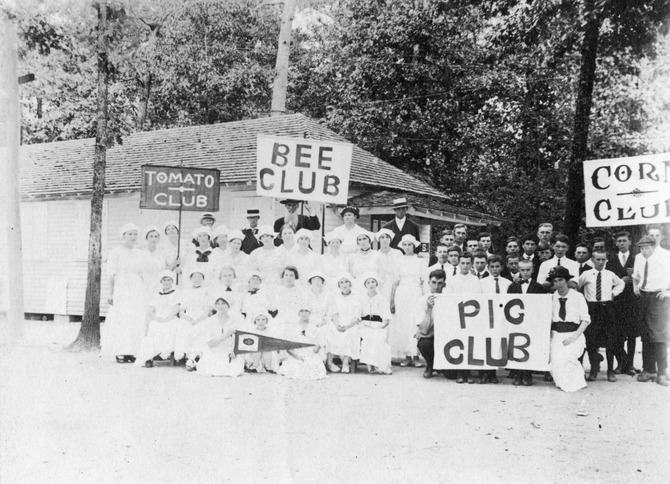
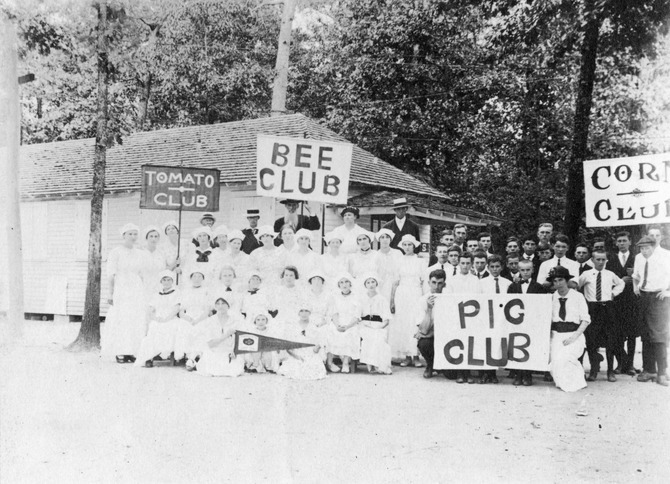
When 4-H was established over 100 years ago, we were an agrarian society; 4-H clubs were established to help us learn to take care of the home and preserve food in ways that would benefit the family. Those same skills are useful today, but we have also identified larger endeavors for 4-H learning. In today’s fast-paced world, we expect youth to learn new information and then be able to apply that learning in future situations. In order to accomplish this task, youth must be introduced to critical thinking skills, decision making and communication skills. 4-H clubs are a great place for youth to learn these skills!
As we design activities that challenge youth, we see an emergence of cooperation, exploration, and both open-ended and focused observations. 4-H builds upon a child’s natural curiosity and love of exploration. Club leaders that step back and allow youth to lead can see the progression in confidence expressed by club members. While the content has expanded, our hands-on approach to learning has not changed over the 100 years of 4-H.
We strategically plan to offer programs that meet the emerging needs identified through our local environmental scan. In order to be competitive in the 21st century, our program must be creative and innovative. We provide youth the opportunities to use critical thinking skills so they get practice in analyzing and synthesizing information in order to solve problems and answer questions. In addition, our 4-H club programs help youth articulate their thoughts and ideas clearly and effectively.
Furthermore, 4-H allows groups of youth to work with adult volunteers to design programs that teach living skills. Together the youth and volunteers plan educational programs and organize community service projects to gain life skills such as responsibility, record keeping, and leadership. Some volunteers work with specific programs that are limited to a shorter-term commitment. These programs might include teaching woodworking, sewing, electricity, or etiquette. The volunteer might serve as a coach for young people preparing for public speaking contests or serve as a judge for the competition. Youth who develop such skills at an early age can continue to use those same skills as they grow, possibly helping them choose a career path that will lead to a successful and productive future. Extension volunteers make a significant difference in our community for both young and old.Why take the time and effort to volunteer with 4-H? Because we know youth will compete for tomorrow's jobs not only with other American youth, but with the most brilliant minds around the globe. North Carolina must educate and graduate youth with the knowledge, skills, ideas, confidence and self-motivation to compete in our global economy. We all benefit by choosing to invest in the future of our youth.
For additional information on volunteer opportunities or 4-H Youth Development, please contact Catherine Shelley, Extension Agent, 4-H Youth Development, 910-997-8255 or cgshelle@ncsu.edu or visit www.facebook.com/richmondcounty4h.
The above article was submitted to the Richmond County Daily Journal for publishing.